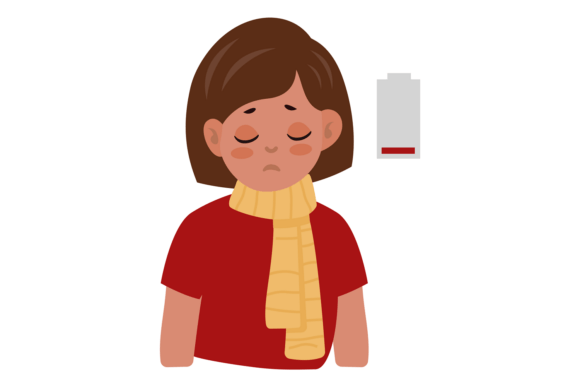
Covid Symptoms: Girl with Sore Throat and Fatigue
When a young woman experiences a sore throat alongside fatigue, muscle aches, or low-grade fever, many immediately consider Covid-19—especially amid ongoing viral circulation. The phrase Covid Symptoms. Girl with Sore Throat an reflects a common clinical presentation seen across age groups, not exclusive to any demographic but frequently documented in adolescents and adults under 40. It does not refer to a distinct medical diagnosis, but rather a recognizable symptom cluster that may signal acute SARS-CoV-2 infection—or another respiratory illness entirely.
This presentation is often visualized in public health materials, such as disease prevention medical infographic icons, where vector cartoon flat-style illustrations depict a girl with a sore throat and fatigue. These images serve an educational purpose: to help people recognize early warning signs without alarmism, supporting timely self-assessment and informed action.
Why This Symptom Pattern Matters
A sore throat paired with fatigue is neither unique to Covid-19 nor always indicative of severe disease—but it is clinically meaningful. Unlike classic flu (which more commonly begins with abrupt fever and body aches), early Covid-19 can present subtly. Studies from the UK’s ZOE Health Study and CDC surveillance data show sore throat ranks among the top five most frequently reported symptoms in confirmed cases, particularly with Omicron-lineage variants. When combined with fatigue, headache, or mild cough, it raises the pre-test probability enough to warrant testing and precautionary measures.
People researching Covid Symptoms. Girl with Sore Throat an are often trying to distinguish between common colds, strep throat, allergies, or early viral infection. Their goal isn’t diagnosis via search—it’s clarity on next steps: Should I test? When should I isolate? Is this likely contagious? Understanding the context around this symptom pattern helps reduce uncertainty without replacing clinical evaluation.
Benefits of Recognizing This Presentation Early
Early recognition supports practical outcomes: faster testing, reduced transmission risk, and better self-management. If someone identifies sore throat and fatigue as potential Covid symptoms, they’re more likely to:
- Use a rapid antigen test within the first 1–3 days of symptoms;
- Temporarily avoid close contact with immunocompromised individuals;
- Rest and hydrate before symptoms escalate;
- Consult a clinician if symptoms persist beyond 5 days or worsen (e.g., shortness of breath, high fever).
Public-facing visuals—like the vector cartoon flat style isolated illustration EPS, JPG used in infographics—reinforce recognition without medical jargon. These assets improve health literacy by offering consistent, non-threatening imagery for diverse audiences, including teens and non-native English speakers.
Tradeoffs and Important Considerations
While useful, focusing narrowly on Covid Symptoms. Girl with Sore Throat an carries limitations. Sore throat alone is extremely common: up to 90% of cases are caused by viruses other than SARS-CoV-2 (e.g., rhinovirus, adenovirus, EBV), or by bacterial infection like group A streptococcus. Fatigue is similarly nonspecific—it may stem from sleep disruption, stress, iron deficiency, or chronic conditions like thyroid dysfunction.
Over-attributing these symptoms to Covid-19 can delay appropriate care—for example, missing strep throat that requires antibiotics, or overlooking persistent fatigue that warrants further investigation. Conversely, dismissing them entirely risks unknowing transmission, especially in congregate settings like schools or workplaces.
Also, symptom reporting varies by age and individual perception. Some people describe “sore throat” when they mean postnasal drip irritation; others minimize fatigue until it interferes with daily tasks. Self-reported data—including what appears in infographics—should be interpreted as directional, not diagnostic.
When This Symptom Pattern Is a Strong Fit for Concern
Covid Symptoms. Girl with Sore Throat an becomes a higher-priority consideration in specific contexts:
- Recent exposure: Close contact with a confirmed case within the prior 2–5 days;
- Community transmission levels: Elevated local Covid-19 hospital admissions or wastewater surveillance readings;
- Additional symptoms: Loss of taste or smell, dry cough, mild gastrointestinal upset (nausea, diarrhea), or low-grade fever (under 100.4°F/38°C);
- Vulnerable contacts: Living with or regularly caring for older adults, pregnant individuals, or those with chronic lung, heart, or immune conditions.
In these situations, acting on the symptom pattern—by testing, masking indoors, and pausing nonessential gatherings—is a proportionate, evidence-informed response.
When Alternatives May Be More Relevant
Other explanations deserve equal attention when sore throat and fatigue appear without clear Covid-19 links:
- Strep throat: Often features sudden onset, painful swallowing, fever >101°F, swollen tonsils with white patches, and absence of cough. Rapid strep testing is widely available and guides antibiotic use.
- Infectious mononucleosis: Common in teens and young adults; presents with prolonged fatigue, sore throat, swollen lymph nodes, and sometimes splenomegaly. Testing requires blood work.
- Allergic rhinitis or post-viral inflammation: Especially during seasonal peaks, sore throat may result from mouth breathing due to nasal congestion—not active infection.
- Chronic fatigue or stress-related exhaustion: Fatigue lasting weeks without acute respiratory symptoms warrants broader assessment, not just viral testing.
If sore throat persists beyond 7–10 days, worsens after initial improvement, or is accompanied by difficulty swallowing, voice changes, or unexplained weight loss, professional evaluation is essential—regardless of test results.
Practical Decision-Making Guidance
Here’s how to approach this symptom pattern thoughtfully:
- Test promptly: Use a rapid antigen test on day 1 or 2 of symptoms—and repeat in 48 hours if negative but symptoms continue.
- Assess context: Ask: Was there known exposure? Are others in my household or school reporting similar symptoms?
- Monitor objectively: Track temperature, oxygen saturation (if pulse oximeter available), and functional capacity (e.g., “Can I walk up stairs without breathlessness?”).
- Use visuals wisely: Infographic icons—like the disease prevention medical infographic icon in flat vector style—help orient thinking but don’t replace clinical judgment.
- Know your thresholds: Seek care if fever lasts >3 days, throat pain prevents swallowing fluids, or fatigue severely limits basic self-care for >5 days.
Ultimately, Covid Symptoms. Girl with Sore Throat an is a useful shorthand for a real-world clinical scenario—but its value lies not in labeling, but in prompting timely, measured action. Whether you’re a parent assessing a child’s school absence, a young adult deciding whether to attend a gathering, or a caregiver supporting someone vulnerable, grounding decisions in current evidence—not fear or assumptions—leads to better outcomes for everyone.